
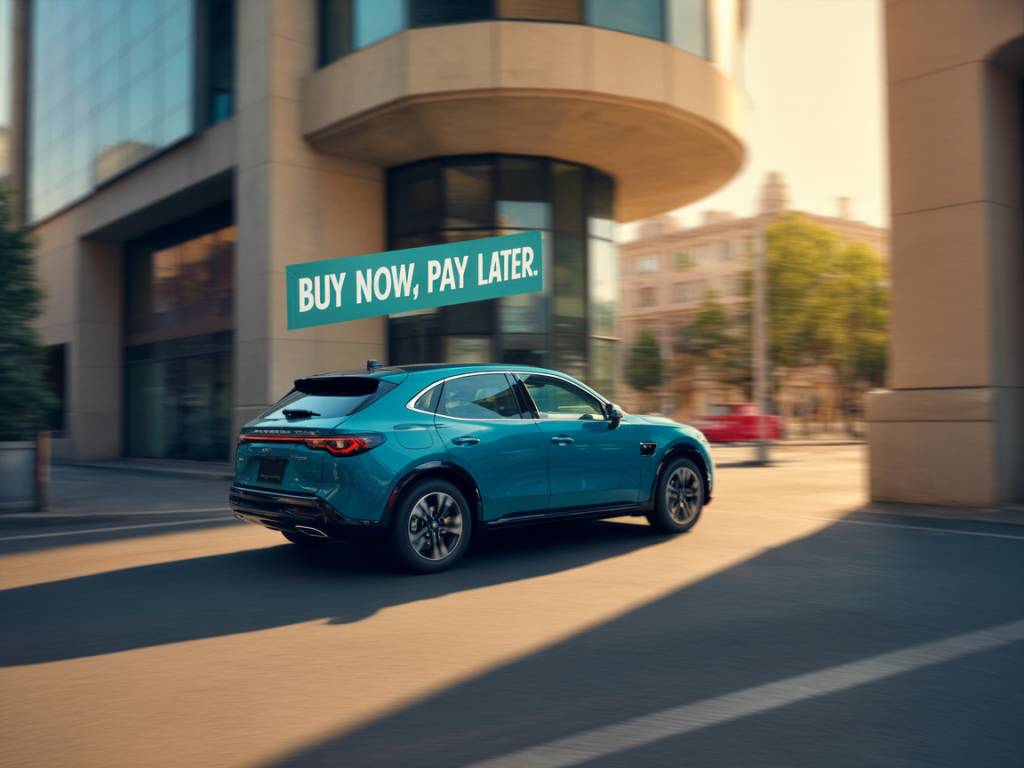
Buy now, pay later, or BNPL, has quickly moved from a niche checkout option to a mainstream consumer payment method. While it is most commonly associated with fashion, electronics, and travel, the same installment mindset is increasingly shaping how people think about car purchases and short-term auto financing. For many buyers, especially those managing household budgets carefully, the appeal is obvious: spread out payments, reduce upfront pressure, and keep more cash available in the short term. In the automotive market, this shift is influencing not only how drivers buy accessories and repairs, but also how they evaluate vehicle financing, lease alternatives, and flexible payment solutions.
Although BNPL is not a traditional car financing product in the same way as a auto loan or lease, it is changing consumer expectations. Buyers now compare every major purchase through the lens of immediate affordability and predictable monthly installments. This behavior has a direct effect on car dealerships, lenders, and the wider auto finance industry. It is also reshaping the language of affordability, with terms such as low monthly payments, deferred interest, short-term auto financing, and flexible installment plans becoming more important in the car-buying process.
Why BNPL appeals to car buyers
The core appeal of BNPL is simple: it allows consumers to obtain something now and pay over time. In the automotive space, that logic resonates strongly because a vehicle is often a necessity rather than a luxury. Drivers need transportation for work, family, and daily life, but they may not have the cash needed for a large down payment or an expensive repair bill. BNPL-style thinking makes the purchase feel more manageable by breaking it into smaller installments.
For buyers considering a used car purchase, a replacement tire set, a major service appointment, or even dealership add-ons, the ability to defer payment can be attractive. In practice, this can mean the difference between delaying a purchase and moving forward immediately. The consumer psychology behind BNPL often centers on convenience, speed, and reduced short-term financial strain, all of which matter in auto-related spending.
This has pushed many buyers to search for financing options that resemble BNPL even when the product itself is not labeled that way. Short-term auto financing, same-as-cash offers, deferred payment plans, and split-payment arrangements are all examples of how the auto industry is adapting to this demand for flexibility.
How BNPL is influencing car purchase decisions
BNPL is affecting car purchases by changing the way buyers compare vehicles and finance options. Instead of focusing solely on total price, consumers are increasingly evaluating the monthly payment and the timing of each installment. This shift is especially visible among budget-conscious buyers and first-time car shoppers who may prioritize cash flow over long-term cost.
In many cases, shoppers are more willing to consider a newer used car, certified pre-owned vehicle, or higher trim level if the financing structure keeps monthly payments within their target range. That can influence not only the final purchase decision but also the type of vehicle selected, the down payment amount, and the loan term. A buyer who once would have chosen the cheapest available car may instead opt for a more reliable model if the payment schedule feels manageable.
Dealerships have noticed this change in behavior. Sales teams now often present monthly payment scenarios early in the discussion, knowing that customers are accustomed to installment-based purchasing. This is particularly relevant in the context of automotive financing, where the emphasis on affordability can outweigh the sticker price in the buyer’s mind. BNPL has helped normalize the idea that large purchases can be structured into smaller, digestible payments.
The rise of short-term auto financing options
Short-term auto financing has gained attention because it aligns with the same principles that make BNPL attractive. Instead of extending a loan over five, six, or seven years, some borrowers prefer shorter repayment periods that reduce total interest costs and allow them to own the vehicle sooner. Others look for temporary solutions that bridge a gap in income or credit history.
Short-term auto financing can take several forms, including:
These financing structures appeal to consumers who want to avoid long-term debt or who expect their financial situation to improve in the near future. They also reflect a broader shift in consumer credit behavior, where flexibility and simplicity often matter as much as the interest rate itself.
BNPL and the growth of automotive installment culture
One of the most important effects of BNPL is that it has expanded installment culture across nearly every category of consumer spending. The car market is no exception. When people become accustomed to paying for smaller purchases in installments, they become more open to similar arrangements for larger ones. As a result, they may be more receptive to auto loan offers, lease payments, and financing packages that mirror BNPL’s structure.
This has encouraged financial providers to design products that feel less intimidating. A transparent monthly payment, a short repayment period, and a clear end date are all features that fit the BNPL mindset. For many consumers, the clarity of a fixed payment schedule is more appealing than traditional revolving credit or vague financing terms.
Automotive lenders and dealers are also responding to rising demand for digital financing experiences. Online pre-approval, instant credit decisions, and mobile-friendly payment planning tools make the car buying process feel more like an e-commerce transaction. That convergence between online shopping and auto finance is one reason BNPL has become such a powerful influence.
How it affects used car purchases and private sales
The used car market is especially sensitive to BNPL-style behavior because many shoppers in this segment are working with limited budgets. A buyer looking for a reliable second-hand vehicle may not have the liquidity to pay upfront for repairs, registration, insurance, or a down payment all at once. BNPL influences these decisions by making financing feel more accessible and by creating a preference for immediate ownership with delayed financial pressure.
In private sales, the impact is less direct but still important. Consumers may be more likely to seek personal loans, short-term financing, or payment splitting solutions if they cannot obtain dealer financing. In some cases, buyers use BNPL for related expenses such as maintenance, tires, batteries, or detailing, helping them prepare the car for use without draining savings.
This is one reason the search demand around terms like used car financing, bad credit auto loans, short-term vehicle finance, and affordable monthly car payments continues to rise. Consumers are not only looking for a vehicle; they are looking for a manageable payment structure that matches their cash flow.
The role of credit, risk, and affordability
Even though BNPL is often marketed as simple and convenient, it still relies on credit assessment and repayment discipline. The same is true in auto finance. Lenders must evaluate risk, income, and repayment ability before approving a vehicle loan or short-term financing agreement. For buyers, the main challenge is balancing affordability with total cost.
A lower monthly payment can be tempting, but it may come with higher overall interest if the term is extended. Likewise, a short-term auto loan can reduce interest expense but require a payment that strains the monthly budget. Consumers influenced by BNPL may focus heavily on immediacy and overlook the long-term financial impact.
This is where financial literacy becomes essential. Buyers should understand the difference between:
When car shoppers compare these elements carefully, they are better positioned to choose a financing structure that supports both short-term flexibility and long-term financial health.
What dealerships and lenders are doing differently
Dealerships and auto lenders are adapting their sales and financing strategies to meet the expectations created by BNPL. Many now highlight transparency, speed, and payment flexibility as key selling points. Digital financing tools, simplified application processes, and fast approvals help create a smoother experience that feels aligned with the modern consumer’s preference for convenience.
Some dealerships also promote service financing and repair installment plans to keep customers within the brand ecosystem. This can improve customer retention while giving drivers more options when unexpected costs arise. In a market where affordability is a major concern, the ability to finance repairs or accessories in small payments can influence whether a buyer keeps a vehicle longer or trades it in sooner.
Lenders, meanwhile, are exploring products that better fit the short-term financing mindset. Promotional rates, compact repayment schedules, and prequalification tools all serve a market that values clarity and speed. As BNPL continues to shape consumer expectations, financial providers that deliver simple and transparent auto financing solutions are likely to have an advantage.
What car buyers should consider before choosing BNPL-style financing
For buyers, the key is to evaluate whether a BNPL-inspired approach truly fits the purchase. In some cases, short-term auto financing can be a smart way to reduce interest costs and avoid long repayment periods. In other cases, it may create payment pressure that outweighs the benefits of flexibility.
Before committing, buyers should review the total amount financed, the repayment schedule, any fees, and the consequences of missed payments. It is also important to compare dealership financing with bank loans, credit union auto loans, and lease offers. The best option depends on credit profile, vehicle type, driving habits, and budget stability.
Buy now, pay later has changed the way many people think about spending, and its influence on car purchases is likely to grow. Whether the purchase involves a vehicle, a repair, or a short-term financing plan, consumers increasingly expect options that fit into a monthly budget rather than demanding a large upfront payment. That expectation is reshaping the auto finance market in real time, making installment-based thinking a central part of how cars are bought, financed, and maintained.