Why 1000cc Kawasaki models matter
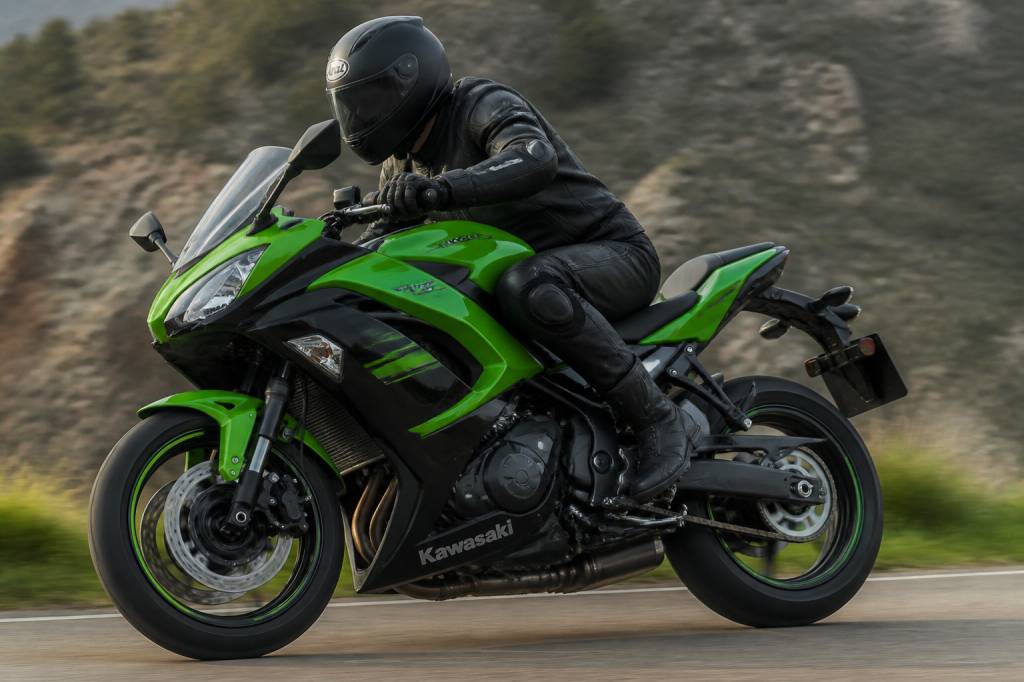
There is a very specific appeal to a litre-class Kawasaki. It is not just about outright speed, although there is plenty of that. It is about the way Kawasaki blends usable performance, strong engineering, and real-world rideability into machines that can do more than make a good pub story. A 1000cc Kawasaki can be a track weapon, a fast road bike, a long-distance tourer, or a bruising naked machine that feels alive at every throttle input. Sometimes all of the above, which is where the fascination starts.
For riders looking at this class, the key question is rarely “is it fast?” The answer is obviously yes. The better question is: which 1000cc Kawasaki suits your riding style, your budget, and your long-term ownership plans? That is where performance numbers, finance options, and a sensible buying guide become essential. A high-powered bike is exciting. A well-chosen one is a smart purchase.
Which Kawasaki 1000cc models are worth your attention?
Kawasaki’s litre-bike range is broad enough to suit very different riders. Some models are built with supersport focus, others with comfort and versatility in mind. The exact line-up changes over time, but several names consistently stand out.
- Ninja ZX-10R – the sharp-end superbike, built with track-day intent and race-derived technology.
- Ninja 1000SX – the sport-tourer that mixes real pace with comfort and practicality.
- Z H2 – the supercharged naked bike with immense straight-line urge and a very obvious sense of occasion.
- Versys 1000 – a tall, comfortable adventure-touring option for riders who value mileage as much as speed.
- Ninja H2 – the halo model, and in many ways the most extreme expression of Kawasaki engineering.
Each of these bikes has a very different character. The ZX-10R may be the one that makes your wrists ache just reading the spec sheet, while the Ninja 1000SX is the model more likely to make sense in everyday ownership. That distinction matters, because the right 1000cc Kawasaki is not necessarily the fastest one on paper. It is the one you will actually enjoy using.
Performance: what a 1000cc Kawasaki really delivers
At this engine size, Kawasaki does not do half measures. A 1000cc inline-four or supercharged platform offers strong mid-range pull, a broad spread of usable power, and the kind of acceleration that can make overtakes feel almost unreasonably easy. Even the more road-focused models have enough performance to feel genuinely special without needing to be wrung out all the time.
The Ninja ZX-10R is the purest example. It is designed around aggressive riding, rapid direction changes, and high-speed stability. On track, it is in its natural habitat. On the road, it is highly capable, but it rewards a rider who understands that superbikes are best enjoyed with restraint, not heroics. No one needs a lecture about speed limits, but it is worth noting that the ZX-10R can feel like it has more capability than most roads can reasonably exploit.
The Ninja 1000SX, by contrast, is a more balanced proposition. It still delivers strong acceleration and smooth top-end performance, but it is tuned to be less demanding in everyday use. The riding position is friendlier, the wind protection is better, and the machine is happy covering long distances without making every journey feel like qualifying laps.
The Z H2 changes the conversation entirely. Its supercharged engine gives it massive torque and instant drama. Roll-on acceleration is the headline act here. If the ZX-10R is a scalpel, the Z H2 is a sledgehammer with excellent suspension. It is entertaining, but it is also a serious motorcycle that needs respect, especially in wet or urban conditions where that power arrives very quickly indeed.
The Versys 1000 is perhaps the surprise package for some riders. It is not the most obvious “performance” bike, but performance is not only about top speed. It is about easy passing power, relaxed motorway pace, and a chassis that carries luggage and a pillion without complaining. For many riders, that is performance in the real world.
What makes Kawasaki litre bikes feel so different?
Kawasaki has a reputation for building engines that feel smooth yet eager, with a character that remains impressive even as you move across different model types. On the road, that means a strong sense of control. The power arrives in a way that feels engineered rather than merely exaggerated.
Several factors shape that feel:
- Engine tuning – some models are tuned for top-end power, others for mid-range usability.
- Electronics – traction control, ride modes, and quickshifters make performance easier to access.
- Chassis balance – frame geometry and suspension setup affect confidence as much as horsepower.
- Braking performance – on a 1000cc bike, stopping power is not optional.
- Riding position – a superbike crouch and a touring stance create very different ownership experiences.
This is why two Kawasaki 1000cc models can have the same broad capacity and still feel completely unrelated. One may tempt you into a Sunday blast, while the other turns a two-hour commute into a surprisingly civilised event. Same badge, very different personality.
Finance options for buying a 1000cc Kawasaki
For many buyers, finance is the difference between “one day” and “this year”. That is especially true with premium motorcycles, where new prices can climb quickly and even well-kept used examples hold value strongly. The good news is that there are several finance routes to consider, each with its own pros and trade-offs.
Hire Purchase
Hire Purchase, or HP, is one of the most straightforward ways to fund a motorcycle. You pay a deposit, make fixed monthly payments over an agreed term, and own the bike outright once the final payment is made. For riders who want clarity and eventual ownership, HP is easy to understand and plan around.
Why does HP work well for litre-class Kawasakis? Because these bikes often retain strong residual appeal, and many buyers prefer to keep them for longer rather than changing every couple of years. If you want the bike to become fully yours at the end, HP makes practical sense.
Personal Contract Purchase
Personal Contract Purchase, or PCP, often offers lower monthly payments than HP because part of the finance is deferred to the end as a final balloon payment. That can make a more expensive Kawasaki feel accessible without overcommitting month to month. At the end of the term, you can return the bike, part-exchange it, or pay the optional final payment and keep it.
PCP can be attractive for riders who enjoy upgrading regularly. It is also useful if you want a newer machine with modern electronics, as monthly affordability may let you step into a higher-spec model than HP would allow. The downside, of course, is that ownership is less automatic. If you are the sort of person who likes to own a bike outright and keep it for years, this deserves careful thought.
Bike loan or personal loan
A personal loan can be a clean and flexible route, especially for used purchases. You borrow the amount needed, pay fixed instalments, and own the bike from day one. This can be useful if you want full control over the motorcycle, with no mileage restrictions or end-of-term considerations.
For buyers looking at older ZX-10Rs, Ninja 1000SXs, or Versys models, a personal loan may be a sensible alternative to dealer finance. The key is comparing total interest, term length, and monthly commitment rather than focusing only on the headline rate. A low monthly payment can look comforting until you realise you have signed up for years longer than you planned.
Deposit contributions and part-exchange
Many buyers reduce finance pressure by using a part-exchange. If you already own a bike, this can make a noticeable difference to affordability. A strong part-exchange can lower the deposit required, reduce monthly costs, or both. That may be the difference between a good used Ninja 1000SX and a nearly-new one with the factory options you actually want.
Deposit contributions from dealers can also improve the numbers, particularly on new or approved used examples. Just make sure you look at the total deal rather than the monthly payment alone. Finance should suit your ownership plan, not just the salesperson’s calculator.
What to check before buying
Whether you are buying new or used, a 1000cc Kawasaki deserves a careful inspection. These are capable machines, and capability often comes with previous owners who used them properly. That is not a bad thing, but it does mean condition matters.
- Service history – check for documented maintenance and dealer stamps where applicable.
- Tyres and brakes – high-performance bikes chew through consumables faster than you might expect.
- Chain and sprockets – wear here can reveal how well the bike was maintained.
- Electronics – test ride modes, quickshifter function, dash displays, and switchgear.
- Suspension condition – look for leaks, rough settings, or signs of track abuse.
- Evidence of crash damage – especially important on superbikes and naked performance bikes.
If buying privately, ask direct questions. Has it been tracked? Has it been dropped? Are there any outstanding finance commitments? The answers are not always alarming, but it is better to know before money changes hands. A pristine-looking bike can hide an impressive amount of expense if the history is poor.
Best model for different types of rider
Choosing a 1000cc Kawasaki becomes much easier when you match the bike to the rider. That may sound obvious, but many purchases go wrong because the bike looked exciting rather than suitable.
If you want a track-focused machine, the Ninja ZX-10R remains the obvious choice. It is built for precision, high-speed stability, and hard use.
If you want a fast road bike with comfort, the Ninja 1000SX is hard to ignore. It offers strong performance without demanding full-time commitment from your spine.
If you want maximum drama and torque, the Z H2 is in a class of its own. It is not subtle, and that is exactly the point.
If you want distance, weather protection, and everyday practicality, the Versys 1000 is the sensible hero of the group.
If you want the ultimate statement bike, and budget is genuinely no object, the Ninja H2 occupies a rare space where engineering theatre and serious pace overlap.
Running costs and ownership reality
A litre-class Kawasaki is not just a purchase. It is a commitment to running costs that can be significant, especially if you ride hard. Insurance, tyres, servicing, fuel, and chain maintenance all matter. And they matter more the more performance you use.
Superbikes will usually cost more to insure than sport-tourers or adventure-style machines. Tyres may need replacement sooner than you expect, particularly if you enjoy aggressive riding or track days. Fuel economy varies widely depending on model and riding style, but no 1000cc machine built for performance is going to be shy about drinking from the pump.
That said, these are not irrational purchases if you budget properly. In fact, a well-maintained Kawasaki can be a very rewarding ownership proposition because of its strong engineering, widespread parts support, and broad enthusiast base.
Smart buying tips from a finance perspective
Finance is not only about monthly affordability. It is about total cost and long-term suitability. A bike that fits your budget on paper but drains your cash in upkeep is not a good deal.
- Compare APR, not just monthly cost.
- Check whether servicing is included or requires dealer-only maintenance.
- Think about resale value if you plan to change bikes in a few years.
- Match the finance term to your expected ownership period.
- Do not overborrow just to move up one trim level.
That last point is worth underlining. Heated grips are lovely. A quickshifter is excellent. But if choosing the higher-spec model means stretching your budget uncomfortably, the bike stops being fun very quickly. Financial breathing room is underrated, especially when an unexpected tyre bill arrives.
Final thoughts for buyers considering a 1000cc Kawasaki
1000cc Kawasaki models have a strong reputation for a reason. They combine performance, engineering depth, and enough model variety to suit very different riders. Whether you are drawn to the razor-edged ZX-10R, the versatile Ninja 1000SX, the ferocious Z H2, or the long-legged Versys 1000, there is a serious machine in the range for almost every kind of rider.
The smartest approach is to choose with your head as well as your right wrist. Decide how you ride, how often you ride, and how you want to fund the bike. Then compare finance options with the same care you would apply to the motorcycle itself. A good deal on a bad fit is still a bad deal. A well-funded Kawasaki that suits your life, however, can be exactly the sort of bike that keeps you looking for excuses to take the long way home.